

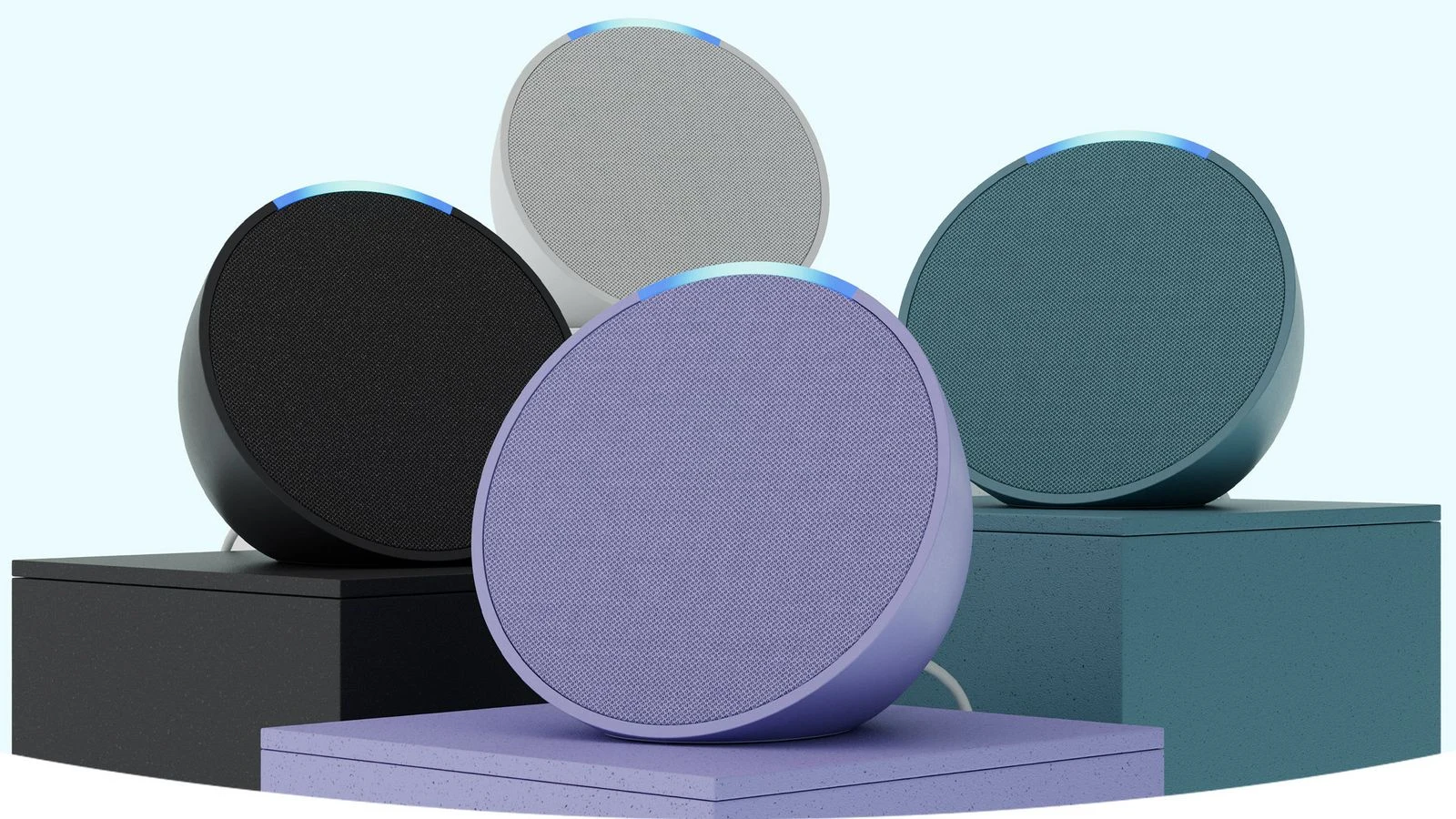
Gadget Audit verdict
A compact smart speaker earns its place when its microphone state is obvious, permissions are minimal and recordings are manageable. Convenience should be configured, not assumed.
Reasons to choose
- Small, inexpensive control point
- Useful for timers and simple routines
- Physical controls are easy to find
Reasons to pause
- Cloud processing creates privacy trade-offs
- Audio quality is room-scale, not hi-fi
- Settings need periodic review
A smart speaker is both a convenient control surface and a networked microphone. The right setup acknowledges both facts. Before connecting lights, locks or contacts, reduce permissions to the smallest set the routine actually needs.
This guide uses the Echo Pop as a concrete example and includes its official product video. It is a setup guide, not a security certification or direct privacy audit.
How we reviewed these picks
Sample provenance: Gadget Audit did not purchase the products, use them hands-on, or perform lab testing for this article. We reviewed official product information and official video, separated published claims from measurements, and left unknowns visible. Any direct testing update will identify the sample, test equipment, conditions and raw results.
Comparison table
| Product / criterion | Published claim | Bench result | Best use |
|---|---|---|---|
| Microphone mute | Immediate physical control | Not independently measured | Use whenever voice input is unnecessary |
| Voice history controls | Account-level review/deletion | Not audited in this guide | Check after setup and periodically |
| Connected-device access | Only devices required by routines | Not audited in this guide | Avoid broad default access |
Values marked as claims come from the product or campaign material already documented in Gadget Audit’s existing coverage. Empty bench fields are deliberate.
Start with the mute control
Everyone in the room should know how to disable listening without opening an app. Test the physical control and its indicator before placing the speaker permanently.
Connect one service at a time
Broad account linking creates invisible dependencies. Add the one music, calendar or home-control service you actually use, then review what information it can read.
Create a deletion habit
Settings change and histories grow. Add a calendar reminder to review voice history, connected skills and household access. Privacy is maintenance, not a one-time toggle.
Official product video
Official manufacturer footage loads only when selected.
Household, guests and rentals
A smart speaker is heard by everyone in the room, not just the person who bought it. Tell housemates what the device is, where the mute control is, and how to use it — then show them, don’t just mention it. Consent in a shared home is ongoing and practical, not a one-time announcement.
Guests deserve the same courtesy at a smaller scale. A visible camera in a living room or entryway should be just that — visible, not discovered. For short-term guests, consider pausing indoor cameras entirely; the security benefit rarely outweighs the discomfort of being recorded in someone else’s home.
Renters face an extra layer: the lease. Some landlords restrict cameras in common areas, smart locks on entry doors, or devices that modify wiring. Read the lease before installing anything that alters the property, and get written approval for lock replacements — a deadbolt swap without permission can become a deposit dispute.
When you move, wipe before you pack. Factory-reset every device, remove it from your account, revoke its access to shared services, and delete the voice history tied to the old address. The next tenant should inherit hardware, not your routines, recordings and account links.
Flaws, but not deal-breakers
A smart speaker still depends on a cloud service and account settings that can change. A mute button reduces exposure but does not make the entire ecosystem local or anonymous.
Also considered—or cut before testing
Cut as a room controller because it follows one person rather than serving a shared space.
Worth considering when cloud independence matters more than voice-service breadth.
Frequently asked questions
Does the mute button disconnect power?
No. It disables microphone input; it is not the same as unplugging the device.
Should a smart speaker control door locks?
Only after reviewing account security, household access and confirmation requirements. Start with low-consequence routines such as lights and timers.
Is this a security test?
No. It is a research-based setup checklist and does not claim penetration testing or a device teardown.
Should I put a smart speaker in a bedroom?
Think carefully. Bedrooms concentrate the most private conversations in a home, and a networked microphone there raises the stakes of every privacy trade-off in this guide. If you do, the mute control should be a nightly habit — not a feature you remember exists, but a routine like locking the door.
How do I handle voice data for kids in the house?
Start with the platform’s family controls: restricted profiles, purchase PINs, and voice-history review. Then apply the same principles as for adults — minimal permissions, regular deletion, obvious mute control — with the added rule that children should know what the device is and that it can be turned off. Make the mute button a game they can win, not a lecture they tune out.
Are software updates a privacy issue too?
They can be. Updates occasionally reset permissions, add new data collection or change what “off” means — which is why the deletion habit in this guide includes a settings review after major updates. Read the changelog before tapping update, and re-check the mute control, permissions and history settings once it installs.
Open discussion
No account or membership is required. Because this edition is a static publication, reader notes are handled openly by email until persistent on-page comments are available.
Send a reader note →