

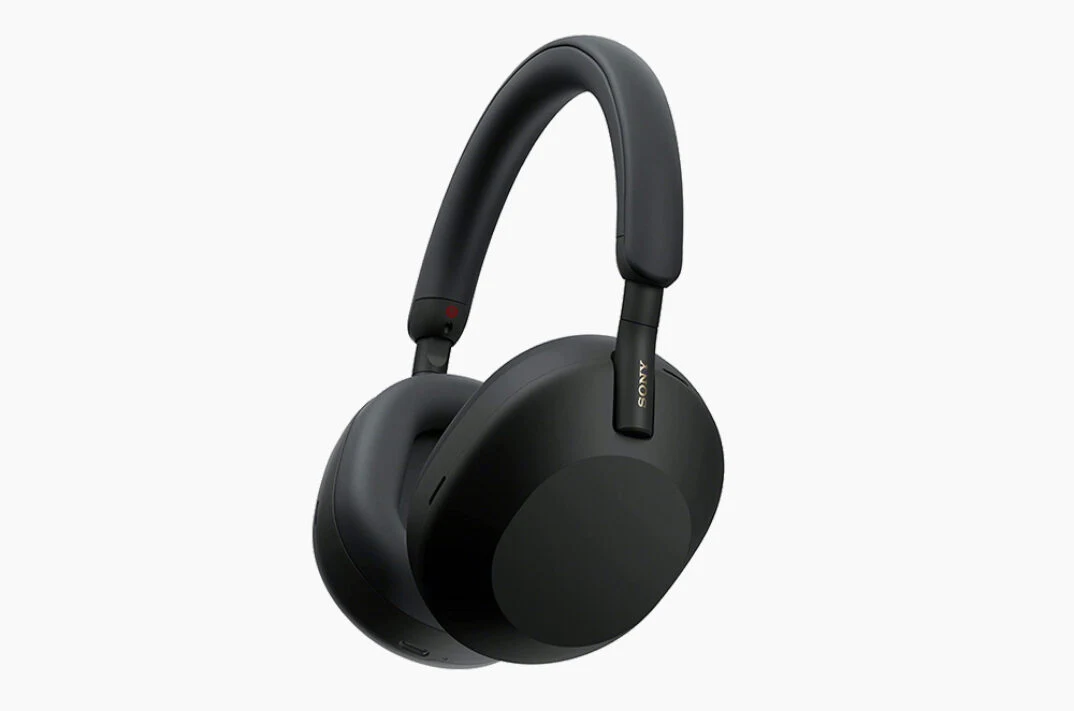
Gadget Audit verdict
For flights and long office sessions, comfort is the gatekeeper and ANC is the multiplier. The Sony WH-1000XM5 balances both, but its bulky non-folding shape is the flaw to accept.
Reasons to choose
- Strong noise control
- Light over-ear fit
- Useful everyday feature set
Reasons to pause
- Case takes real bag space
- No earbud alternative in this review
- Fit remains personal
Audio comparisons often start with codec names and end before the human wearing the headphones gets uncomfortable. Long-session buying should reverse that order: fit, heat, clamp, noise control, then features.
This is a product review of the WH-1000XM5 using official product information and published design characteristics. No physical sample is marked as received, so subjective comfort is presented as a selection factor—not a measured universal result.
How we reviewed these picks
Sample provenance: Gadget Audit did not purchase the products, use them hands-on, or perform lab testing for this article. We reviewed official product information and official video, separated published claims from measurements, and left unknowns visible. Any direct testing update will identify the sample, test equipment, conditions and raw results.
Comparison table
| Product / criterion | Published claim | Bench result | Best use |
|---|---|---|---|
| Over-ear ANC | Broad seal; more room for batteries | Not yet bench-measured | Long flights and focused work |
| True wireless earbuds | Small case; less head contact | Not tested in this guide | Minimal carry and short sessions |
Values marked as claims come from the product or campaign material already documented in Gadget Audit’s existing coverage. Empty bench fields are deliberate.
Comfort decides whether ANC matters
Pressure points build slowly. The only useful fit test lasts longer than a showroom demo: glasses on, normal room temperature, at least an hour of continuous wear.
Noise control is more than one number
Low engine rumble, voices and sudden sounds behave differently. Strong cancellation of steady noise can coexist with ordinary performance on conversation.
Case volume belongs in the verdict
A headphone can feel light on the head and still be inconvenient in a small bag. The XM5 case is the trade-off hiding behind its comfortable frame.
Official product video
Official manufacturer footage loads only when selected.
Glasses, hats and long-haul realities
Glasses change the fit equation. The arms break the earcup seal, which leaks sound and weakens noise cancelling exactly where you need it most. When testing, always wear your normal glasses — thinner arms seal better than thick ones, and some listeners find that slightly loosening the clamp or choosing deeper earcups matters more than any ANC specification.
Heat is the slow deal-breaker. Leatherette earcups trap warmth, and on long flights that buildup becomes the reason the headphones come off at hour four — defeating the best noise cancelling in the business. If you run warm, prioritize breathable materials and lighter clamp force over maximum isolation; comfort you keep beats silence you abandon.
Plan breaks into very long sessions. Even the most comfortable over-ears benefit from a five-minute breather every couple of hours — it resets pressure points and ear heat at once. This is also where a true-wireless backup earns its place: swapping to earbuds for a stretch keeps the noise down while the over-ears air out.
Side-sleepers should skip over-ears for rest. No over-ear headphone is comfortable pressed into a pillow, and the pressure can damage hinges over time. For sleeping on planes, low-profile earbuds or dedicated sleep buds are the honest answer — ANC strength is irrelevant if the form factor fights the pillow. A soft headband-style sleep headphone is another option frequent travelers swear by.
Flaws, but not deal-breakers
The WH-1000XM5 does not fold into a very small package, and premium pricing raises the cost of discovering that a particular head shape dislikes the fit.
Also considered—or cut before testing
Cut because the carry advantage comes with a different fit and battery trade-off.
Cut for travel because isolation and portability are not the same as active cancellation.
Frequently asked questions
Is stronger ANC always better?
No. If fit creates pressure or heat, the headphone will not stay on long enough for its cancellation advantage to matter.
Are over-ear headphones better for flights?
Often, because they combine a larger seal with long battery life. Earbuds remain better when carry size is the priority.
Was comfort measured on a test panel?
No. This guide is clearly labeled as a product review and does not claim panel or fixture measurements.
Can I sleep in noise-cancelling headphones?
Over-ears: not comfortably, especially on your side — the earcups press into the pillow and the headband shifts. If you want noise control while sleeping on a plane, low-profile earbuds are the practical choice; save the over-ears for your waking hours.
Do I need ANC at all if I mostly work from home?
Probably not as a priority. Home noise is intermittent — voices, appliances, street sounds — where ANC is weakest and good passive isolation plus comfort matters more. Spend the ANC premium only if your environment has steady background drone worth cancelling.
Does ANC damage hearing?
There is no established evidence that noise cancelling itself harms hearing — it reduces the need to crank volume, which protects it. The real hearing risks are the usual ones: high volume and long exposure. Keep the volume at a level where you could still hold a conversation, give your ears regular breaks on very long listening days, and remember that ANC lets you listen quieter — which is the actual hearing benefit.
Open discussion
No account or membership is required. Because this edition is a static publication, reader notes are handled openly by email until persistent on-page comments are available.
Send a reader note →