

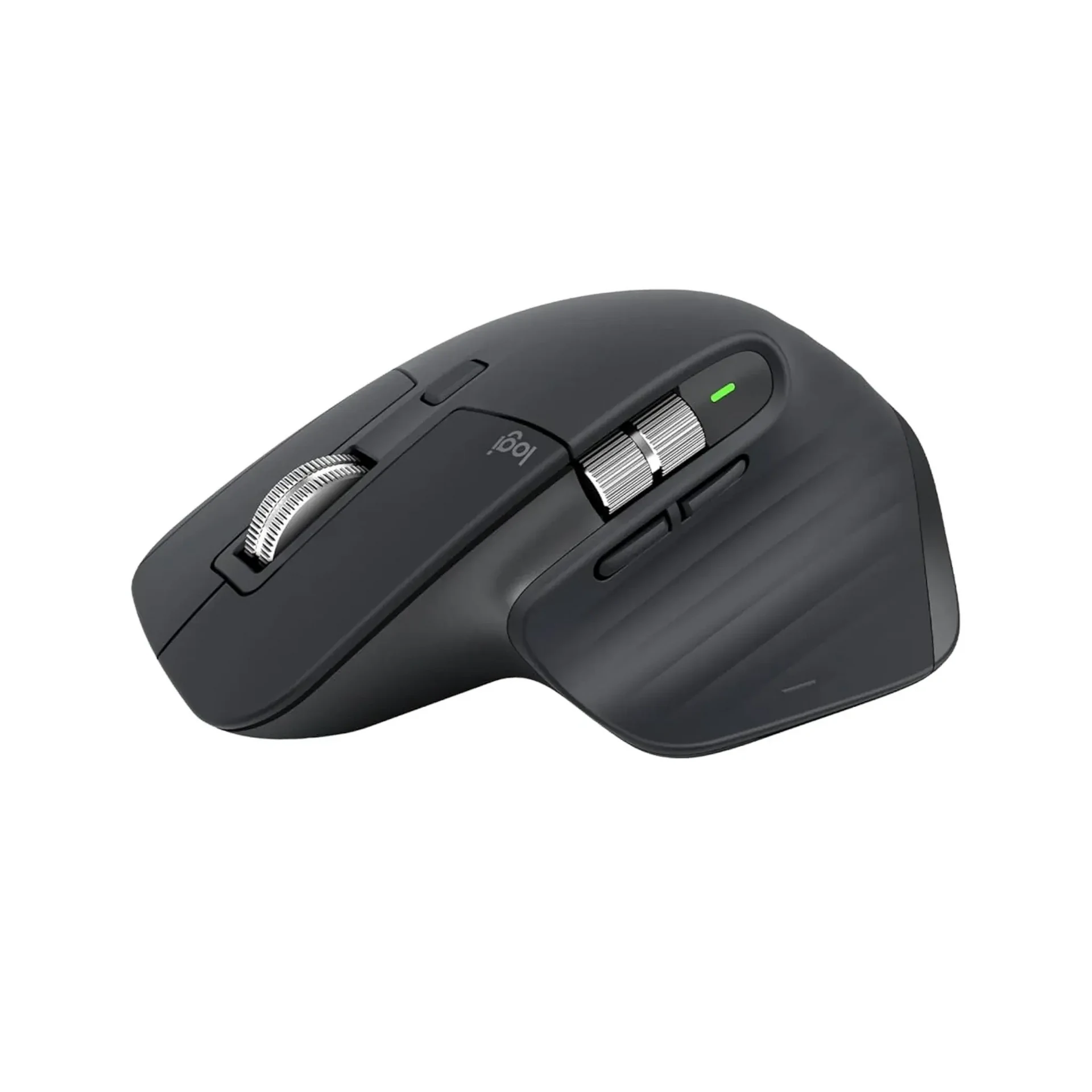
Gadget Audit verdict
The best first upgrade is the part your hand uses all day. A comfortable multi-device mouse changes more work than decorative lighting or another passive accessory.
Reasons to choose
- Prioritizes repeat daily actions
- Reduces duplicate chargers and cables
- Works for compact desks
Reasons to pause
- Ergonomic fit is personal
- Premium input devices cost more
- No direct sample has been received
A good desk setup is a sequence, not a shopping haul. Fix the repeated motion first, then power, then cable routing, then lighting, and only then storage. Each step should remove a specific interruption.
How we reviewed these picks
Sample provenance: Gadget Audit did not purchase the products, use them hands-on, or perform lab testing for this article. We reviewed official product information and official video, separated published claims from measurements, and left unknowns visible. Any direct testing update will identify the sample, test equipment, conditions and raw results.
Comparison table
| Product / criterion | Published claim | Bench result | Best use |
|---|---|---|---|
| Input device | Every click and scroll | Not yet bench-measured | Highest-frequency upgrade |
| Shared charger | Removes adapter swapping | Not tested here | Second priority |
| Cable route | Reduces snagging and visual clutter | Not tested here | Low-cost improvement |
| Task light | Improves local visibility | Not tested here | Choose after layout |
Values marked as claims come from the product or campaign material already documented in Gadget Audit’s existing coverage. Empty bench fields are deliberate.
1. Upgrade the repeated motion
A mouse or keyboard earns attention because small friction repeats hundreds of times. Shape, scroll control and multi-device switching matter more than novelty features.
2–3. Consolidate power and route cables
One capable charger reduces adapter swapping. A fixed cable path keeps the desk clear without hiding ports so well that connecting a device becomes a chore.
4–5. Add task light, then storage
Light the work surface, not the monitor. Add storage only for tools that already proved they belong on the desk; empty organizers are just clutter with compartments.
Official product video
Official manufacturer footage loads only when selected.
Light and monitor placement basics
Light the work surface, not the monitor. The most common lighting mistake is a bright source behind or beside the screen, which forces your eyes to adapt between two brightness levels all day. A task light aimed at the desk surface, or bias lighting behind the monitor, keeps the whole field of view even — and even light is what prevents end-of-day eye fatigue.
Place the monitor at roughly arm’s length, with the top third of the screen at or slightly below eye level. Too high and the neck tilts back; too low and the shoulders round forward. A stack of books works as a test before you buy a stand or arm — get the height right with something free, then spend money making it permanent.
Kill glare at the source. If a window sits behind you, its reflection lands on the screen; if it sits in front, you stare into brightness. Side placement with blinds beats any anti-glare coating. Check the screen at the times you actually work — morning light and afternoon light are different problems.
Treat the monitor as part of the input chain. A great mouse on a poorly placed monitor still produces neck strain, just as a great monitor with a bad mouse still produces wrist strain. Ergonomics is a system: screen height, chair, desk and input device all negotiate with each other, and upgrading one while ignoring the rest buys half the benefit.
Flaws, but not deal-breakers
The MX Master 3S is right-handed and shaped for desk work rather than travel or fast gaming. A premium mouse cannot fix a poor desk height, chair or posture.
Also considered—or cut before testing
Cut as a first upgrade because it changes atmosphere, not workflow.
Cut from the universal list because space, job and window habits decide whether it helps.
Useful only after the objects that deserve permanent space are known.
Frequently asked questions
What should I upgrade first?
The input device you use most. If the mouse is uncomfortable or imprecise, fix that before buying display accessories.
Do I need a second monitor?
Not automatically. Try deliberate window management first, then add screen space only when a recurring task needs simultaneous reference.
Was the MX Master 3S direct tested here?
No. This is a product review using official product information, with bench measurement left unclaimed.
Is a monitor light bar worth it?
For many desks, yes — it lights the work surface without adding a lamp footprint and avoids the behind-the-screen brightness problem. It is not magic: placement and evenness matter more than the bar itself, and a well-positioned desk lamp achieves the same thing.
How high should my monitor be?
Top third of the screen at or slightly below eye level, at about arm’s length. Test with books before buying hardware. If you wear bifocals or progressives, you may need it lower — the right height is the one where your neck stays neutral for hours.
Should I upgrade the chair before the gadgets?
Honestly, yes — if the chair is bad. No mouse, light or cable route compensates for a seat that wrecks your posture eight hours a day. The gadgets in this guide fix workflow friction; the chair fixes body friction. If you can only fund one upgrade this year and your back complains daily, the chair wins.
Open discussion
No account or membership is required. Because this edition is a static publication, reader notes are handled openly by email until persistent on-page comments are available.
Send a reader note →